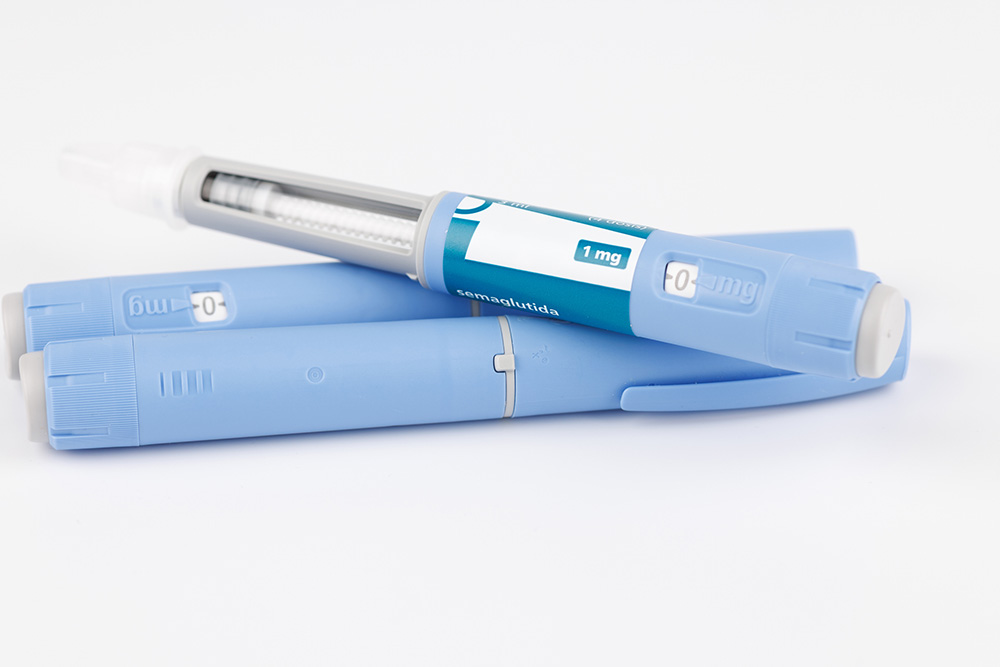
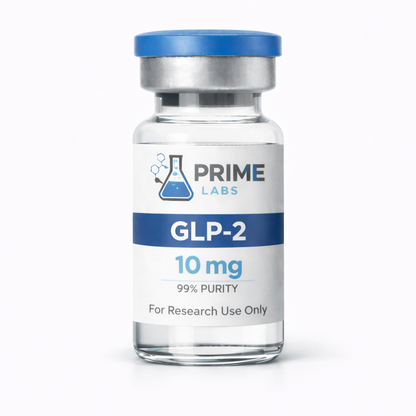
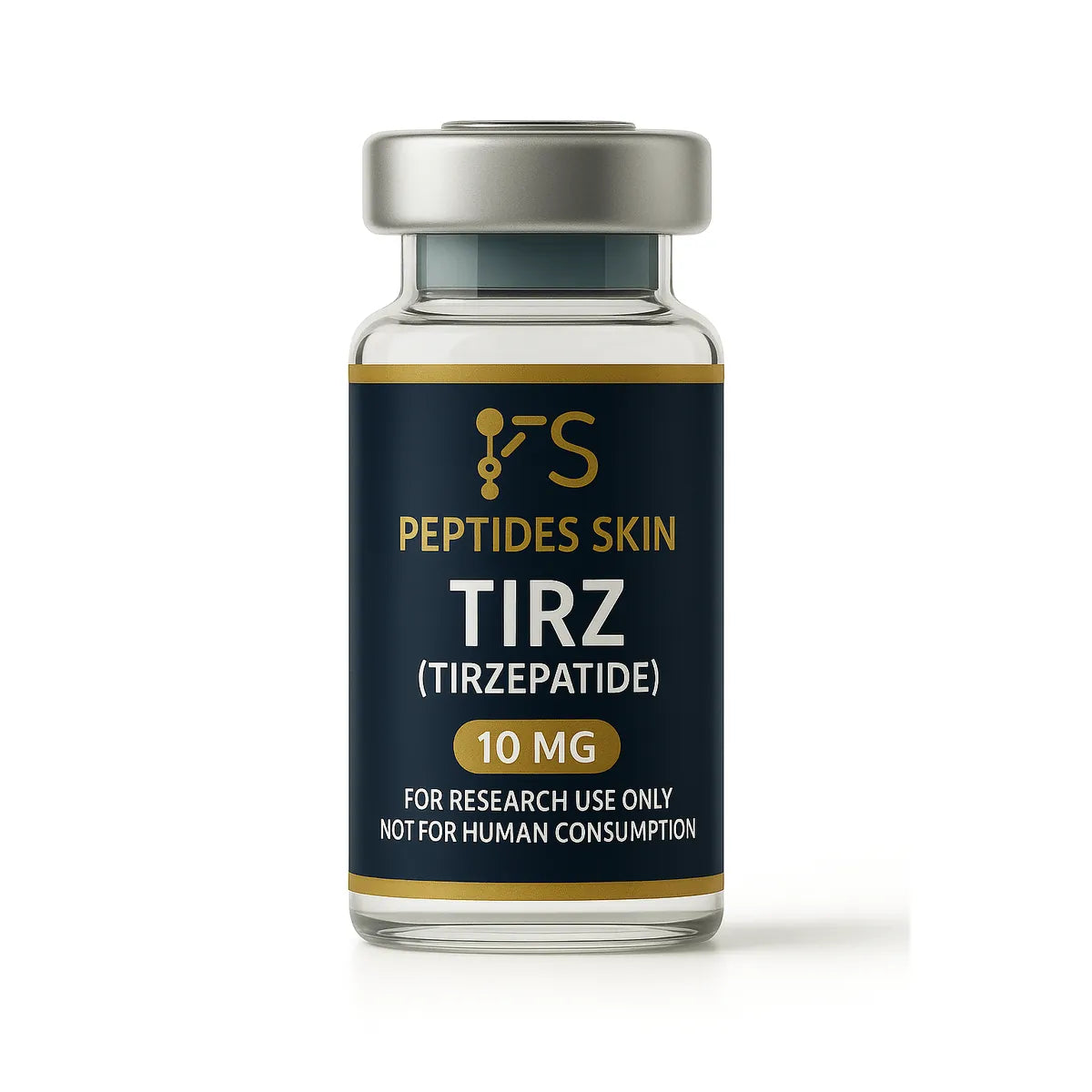
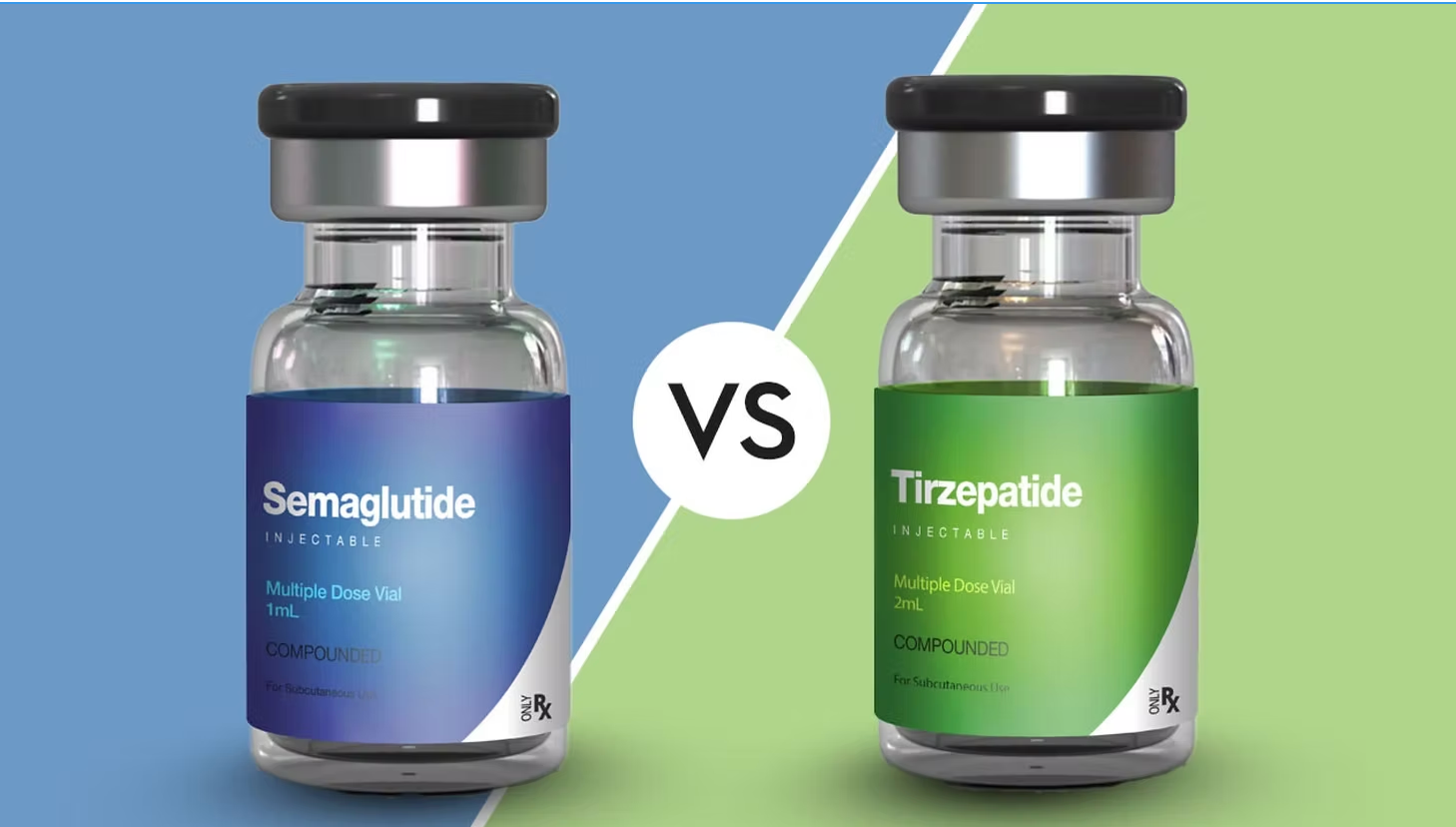
Significant Weight Loss Support: Clinical studies reveal that women utilizing certain treatments can achieve substantial reductions in body mass, often exceeding 15% of their total weight over time
Liraglutide has demonstrated both cardiovascular benefits in addition to its excellent glucose-lowering effects

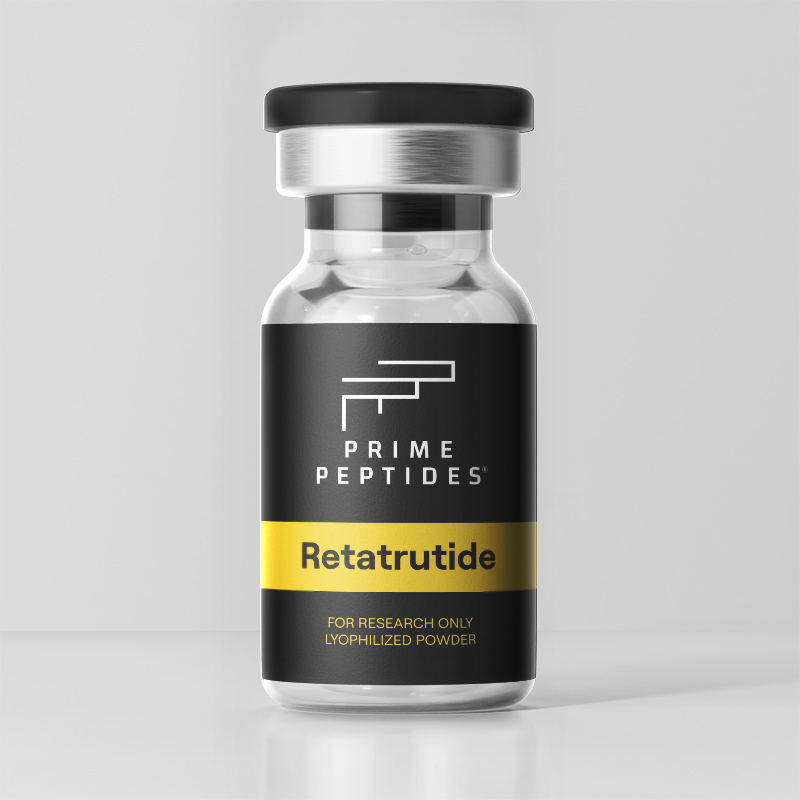
In Vitro Dosing Considerations Retatrutide Dosing: Formulation and Administration Techniques Reconstitution Protocols by Vial Strength Reconstitution best practices : Use bacteriostatic water (0.9% benzyl alcohol) to prevent microbial contamination Allow diluent to reach room temperature before reconstitution Inject slowly down vial wall to minimize peptide denaturation from foaming Gently swirl (never shake) until complete dissolution Allow 2-3 minutes for full hydration before use Label with reconstitution date, concentration, and expiration (14-21 days at 2-8C) Subcutaneous Administration Technique Retatrutide Dosing: Special Population Adjustments Renal Function-Based Dosing Hepatic Function Considerations Age-Related Dosing Concomitant Medication Dosing Interactions Retatrutide Dosing: Dose-Response Relationship Analysis Weight Loss Efficacy by Dose Glycemic Control by Dose (T2DM Population) Adverse Event Incidence by Dose Retatrutide Dosing: Research Protocol Design Templates Template A: Preclinical Efficacy Study Template B: Clinical Pharmacokinetic Study Template C: Long-Term Safety Surveillance Retatrutide Dosing: Frequently Asked Questions What Is the Recommended Starting Dose for Retatrutide Dosing

Understanding when lifestyle interventions alone are insufficient is essential for appropriate patient care and preventing disease progression
Factors like rate of weight loss, nutritional intake, age, hormonal profile, and overall health can all influence how the hair growth cycle responds to significant weight changes
Another part of the survey asked participants about whether taking a GLP-1 affected their eating and drinking habits