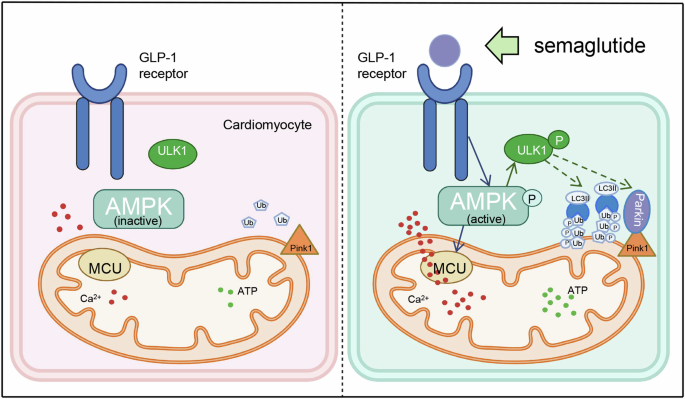
GLP-1 Receptor Agonist Use Linked to Reduced Risks for Substance Use Disorder MONDAY, March 9, 2026 -- The use of glucagon-like peptide-1 (GLP-1) receptor agonists is associated with reduced risks for developing substance use disorders (SUDs), according to a study published online March 4 in The BMJ
The confirmed linear quantification range of BPC157 was 4.00 and 4,000 ng/ml
Our guide to the best probiotics for semaglutide covers specific strains that research supports for GLP-1 users
That gap between what people want and what they can afford has created an entire industry of telehealth platforms promising the same active ingredient at a fraction of the cost
5
Depending on the clinical picture, that typically includes: Relevant baseline bloodwork before starting IGF-1 dynamics where appropriate, so the response can be tracked rather than assumed Glucose and metabolic markers where relevant Follow-up adjustments based on results, tolerability, and goals A clear plan for duration and review rather than indefinite open-ended use This is also why CJC-1295 and Ipamorelin are often discussed alongside related options like Tesamorelin for visceral fat and metabolic goals