Legitimate access to retatrutide in the UK is currently only possible through participation in an approved clinical trial
Acta Dermatol Venereol, 176(suppl): 7-12

Mechanical and degenerative causes represent the most common etiologies in adults and include: Lumbar strain or sprain from physical activity, poor posture, or occupational factors Degenerative disc disease and facet joint arthropathy Spinal stenosis, particularly in older adults Herniated nucleus pulposus with or without radiculopathy Spondylolisthesis or other structural abnormalities Metabolic and systemic conditions that may coincide with diabetes treatment include: Diabetic radiculoplexus neuropathy (diabetic amyotrophy), which typically presents with severe unilateral thigh/hip pain and weakness rather than primary lower back pain Osteoporosis with vertebral compression fractures, particularly relevant in patients with long-standing diabetes or corticosteroid exposure Infectious causes requiring urgent evaluation include: Spinal epidural abscess Vertebral osteomyelitis/discitis, especially in patients with diabetes, immunosuppression, or intravenous drug use Visceral referred pain should be considered, especially given semaglutide's gastrointestinal effects: Nephrolithiasis (kidney stones) Pyelonephritis or other urinary tract pathology Pancreatitis (though typically mid-back pain) Cholecystitis or biliary colic Weight loss-related factors specific to patients on semaglutide may include altered biomechanics, increased physical activity without proper conditioning, or changes in body composition affecting spinal support structures
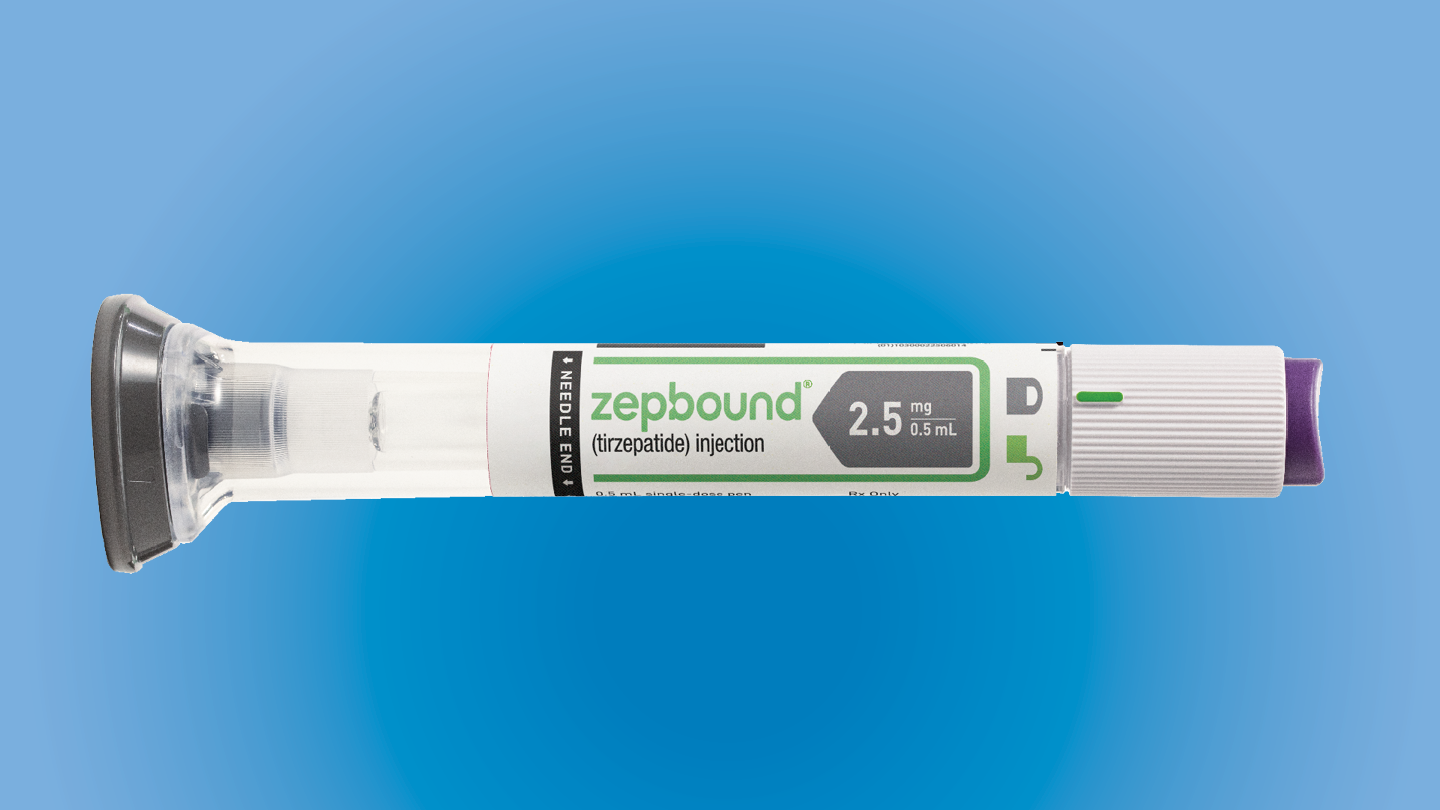
There is no maximum
Thiamin supplementation in cancer patients is common to prevent thiamin deficiency, but Boros et al
The effort seeks to control costs and improve health outcomes