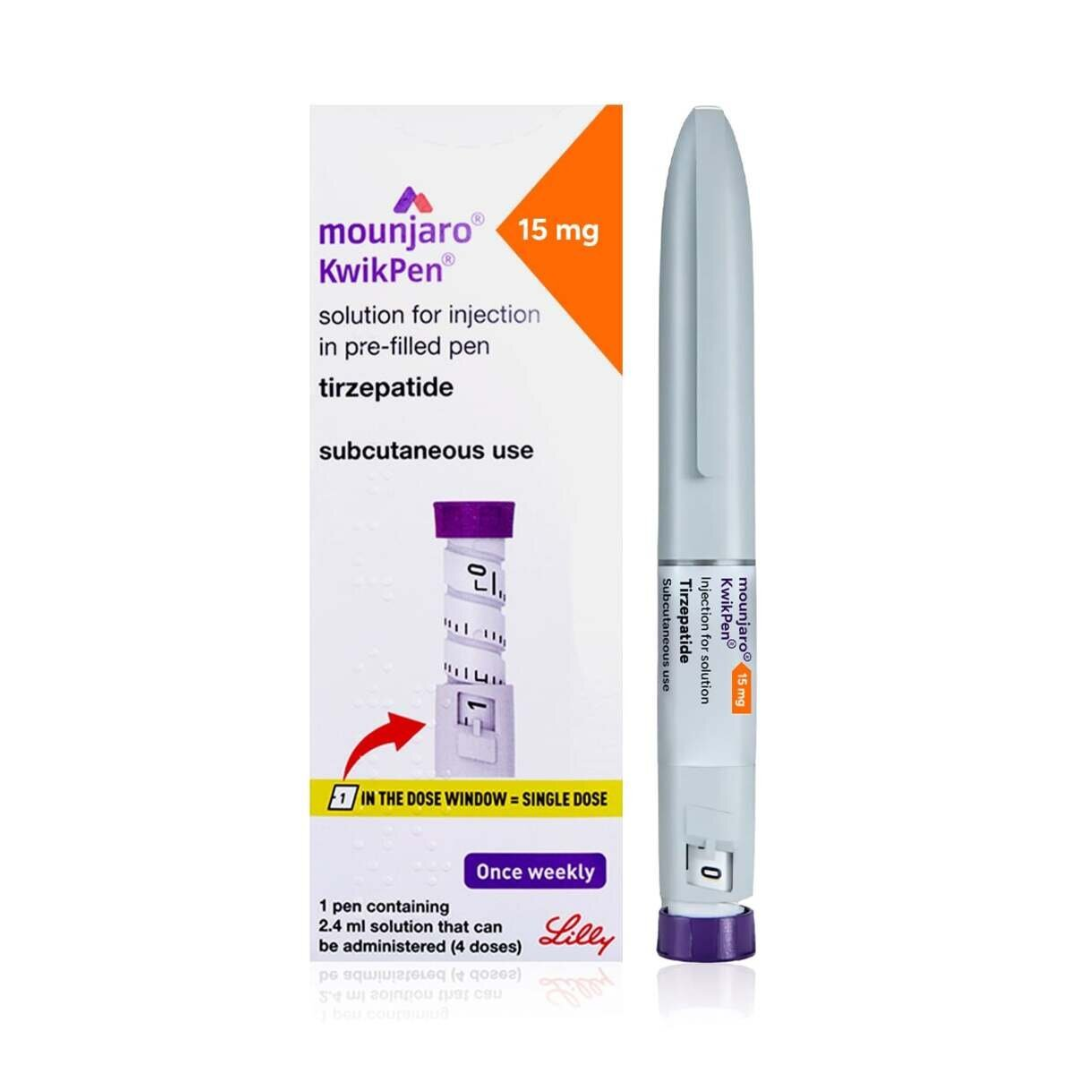
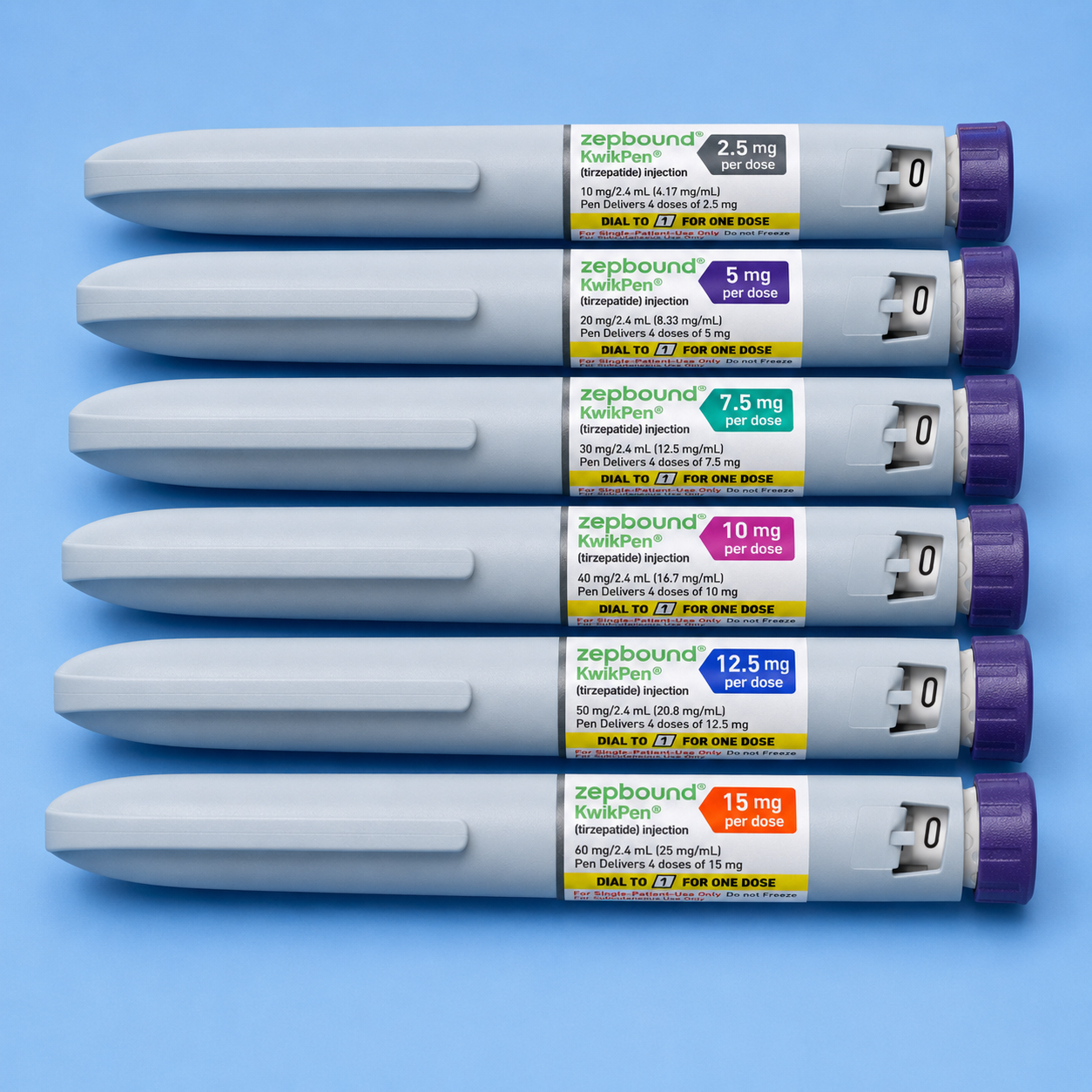
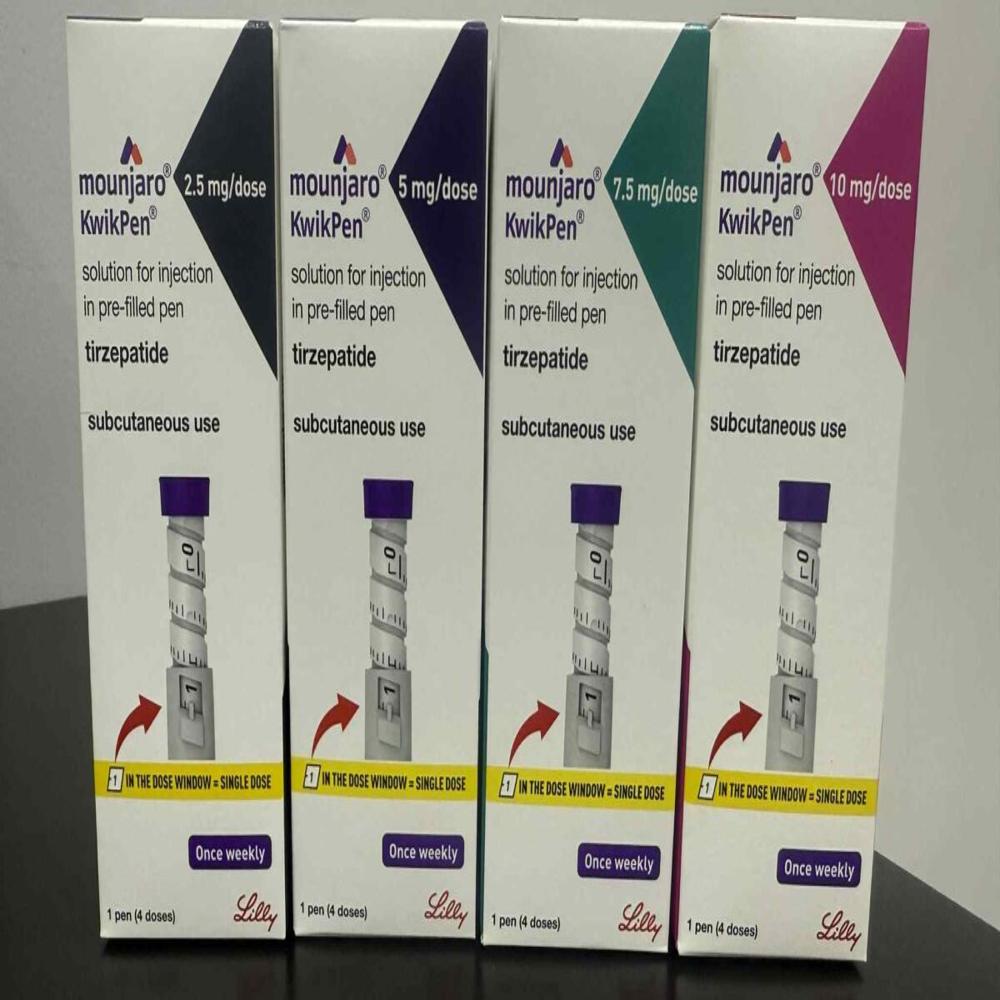
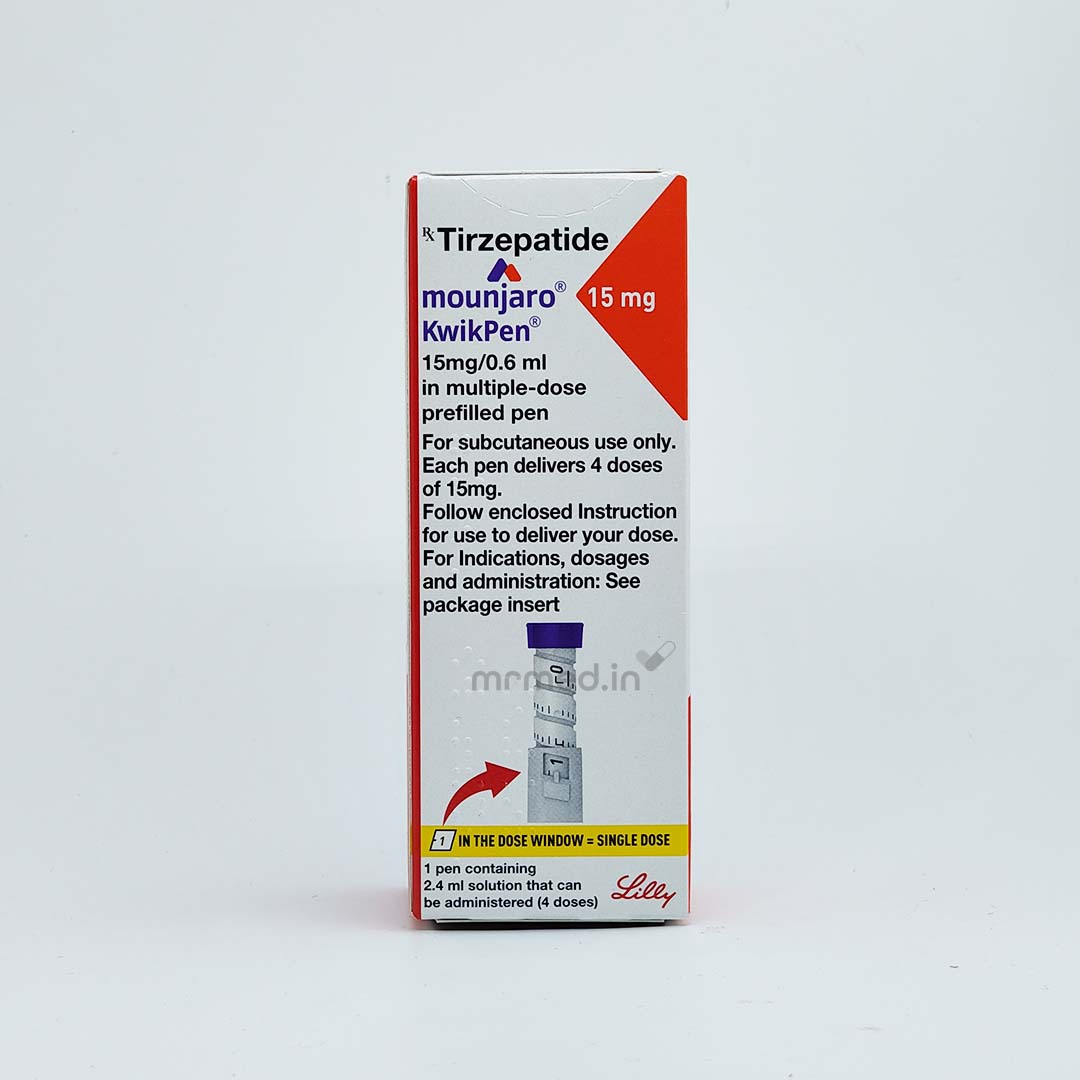
The study successfully met its primary endpoint with the highest dose achieving 63.5% clinical response versus 27% placebo at Week 12 and 30.2% clinical remission versus 11.1% placebo, with favorable tolerability and continued improvement through Week 28, though the study completion date and final comprehensive results are pending presentation at upcoming medical congresses
In these instances the drawbacks of treatment may outweigh the advantages by worsening symptoms or furthering the condition's progression
If it is above, some chargers can discharge the pack back to storage voltage
Endoscopic Surveillance for Barretts Esophagus: Two-Year Results by Lisa Astor "The burden of Barretts surveillance on endoscopic resources can be significant, and it may be appropriate to lengthen the surveillance interval or consider offering at-need endoscopy to well-informed patients." Global Consensus Streamlines MASLD/MASH Care by Amy Pfeiffer "We have developed consensus recommendations for busy clinicians." Peyers patch B cells drive TG2 autoantibodies in celiac disease by Stephanie Vine B-cell-directed therapies have not yet been explored for the treatment of celiac disease, but they might well be pursued in the future given their success for the other autoimmune diseases." AGA releases updated gastroparesis guideline by Amy Pfeiffer The guideline panel "critically assessed the studies available for diagnosing gastroparesis and the treatments used for gastroparesis." CT Findings Differ in Ischemic Colitis Subtypes by Stanley Gajete Abdominal CT imaging showed 100% positivity in more extensive ischemic colitis cases versus just 18% in mild disease, highlighting imaging's diagnostic value for severity assessment
Ozempic pill is the only oral GLP-1 medicine approved to reduce the risk of heart attack, stroke, or death in adults with type 2 diabetes who are at high risk for these events across both primary prevention (lowering the risk of major cardiovascular events in people who are at higher risk) and secondary prevention (reducing the chance of another cardiovascular event in people who have already had one)
601 Future large, randomized studies with prespecified neurologic endpoints are warranted to determine the effects of SGLT2 inhibitors on DN