Research in 2022 concluded that high B12 in cancer patients is often an epiphenomenon
Broekmans FJ, Soules MR, Fauser BC
The purpose of this article is to articulate key themes and trends of the FY25 warning letters for drug and biologic products
David Fajgenbaum, MD, professor of translational medicine and human genetics at the University of Pennsylvania
Selected References: Meissner WG, Remy P, Giordana C, Maltte D, Derkinderen P, Houto JL, Anheim M, Benatru I, Boraud T, Brefel-Courbon C, Carrire N, Catala H, Colin O, Corvol JC, Damier P, Dellapina E, Devos D, Drapier S, Fabbri M, Ferrier V, Foubert-Samier A, Frismand-Kryloff S, Georget A, Germain C, Grimaldi S, Hardy C, Hopes L, Krystkowiak P, Laurens B, Lefaucheur R, Mariani LL, Marques A, Marse C, Ory-Magne F, Rigalleau V, Salhi H, Saubion A, Stott SRW, Thalamas C, Thiriez C, Tir M, Wyse RK, Benard A, Rascol O
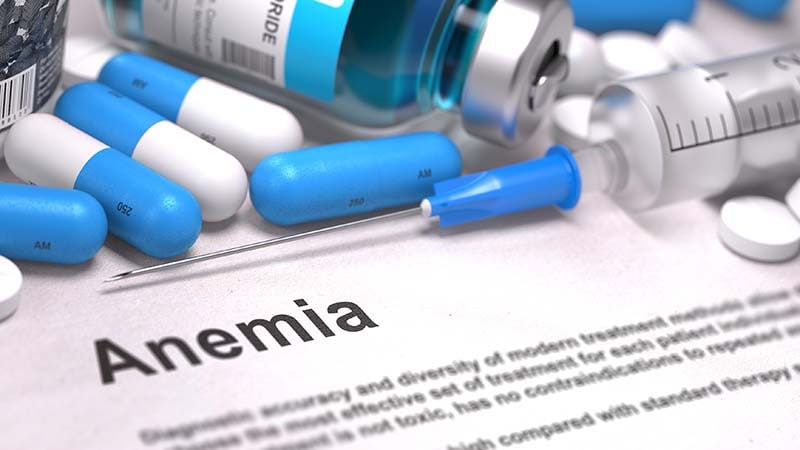
Many studies have examined the effects of riboflavin on various diseases such as cataract ( Reference Cumming, Mitchell and Smith 7 ) , night blindness ( Reference Graham, Haskell and Pandey 8 ) , some cancers (oesophageal, cervical and colorectal) ( Reference Siassi and Ghadirian 9 Reference de Vogel, Dindore and van Engeland 11 ) , anaemia ( Reference Powers, Hill and Mushtaq 12 ) and CVD ( Reference Powers 13 )