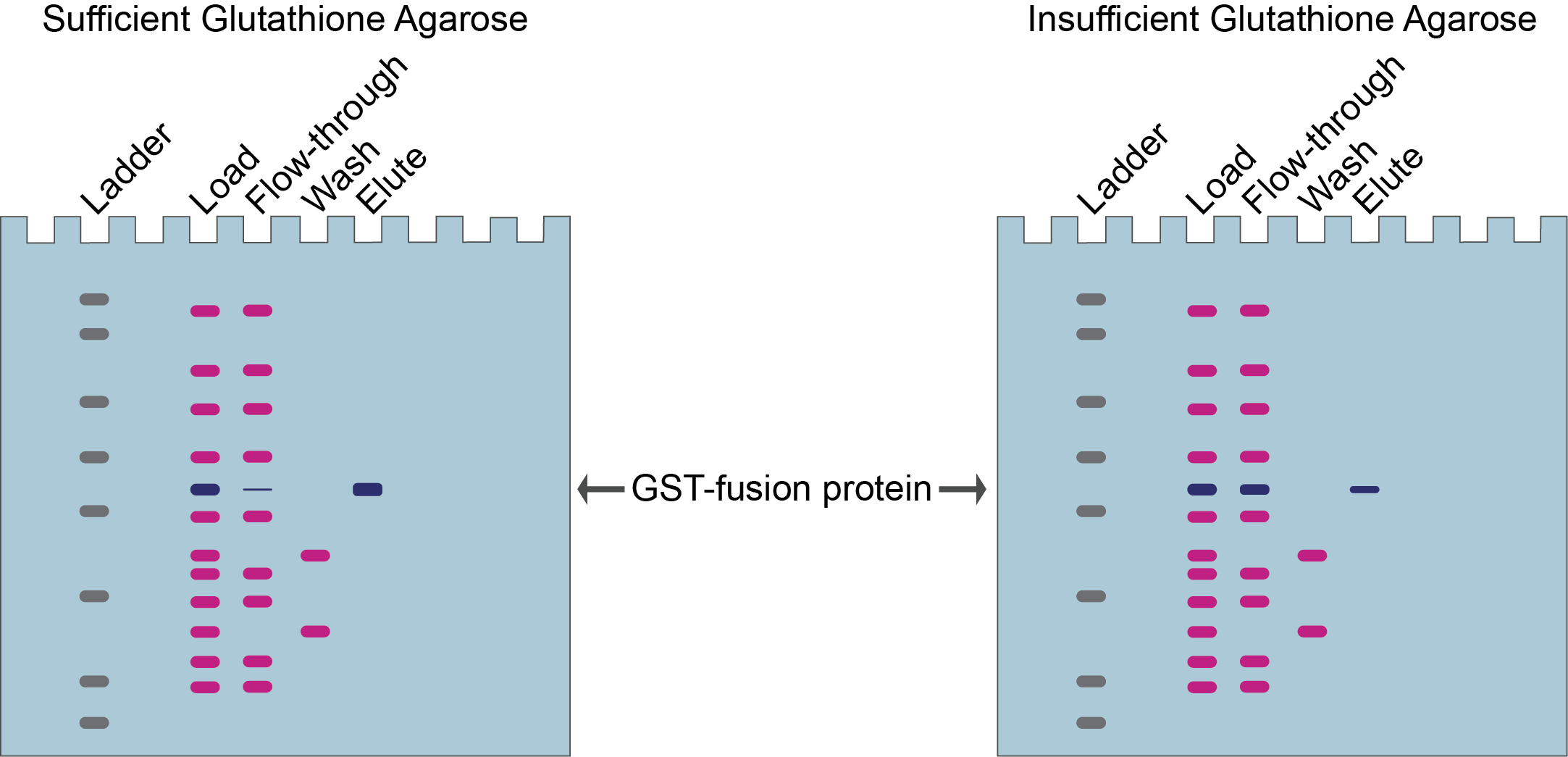
FIGURE 8 Nine different substances were declared as PCT medicines in the samples and, in order of occurrence frequency, they were hCG (n = 16), clomiphene (n = 14), tamoxifen (n = 7), exemestane (n = 7), anastrozole (n = 7), cabergoline (n = 6), mesterolone (n = 4), and letrozole (n = 2)
All concentrations discussed are reference values for reconstitution math and experimental design not human dosing recommendations
Compared with non-GLP-1 households, GLP-1 users reduced their spending by 10% over a year across 100 categories including groceries, quick-service restaurants and tobacco, according to data company Numerator
1), 85-OR (2025)
Patient Selection Ideal patient No recent opioid use Interested in cutting back on alcohol use Wants medications to reduce cravings Positive screening on tools such as SASQ, AUDIT-C, AUDIT, or STAD Naloxone challenge [14] Prior to naltrexone initiation, a dose of 0.4 mg IV naloxone can be administered to ensure that naltrexone will not precipitate withdrawal when being taken, Efficacy A 2023 meta-analysis found oral naltrexone (50 mg/d) reduced the risk of returning to heavy drinking (defined often as 5 drinks for men/4 drinks for women), with a number needed to treat (NNT) of roughly 11 [15]
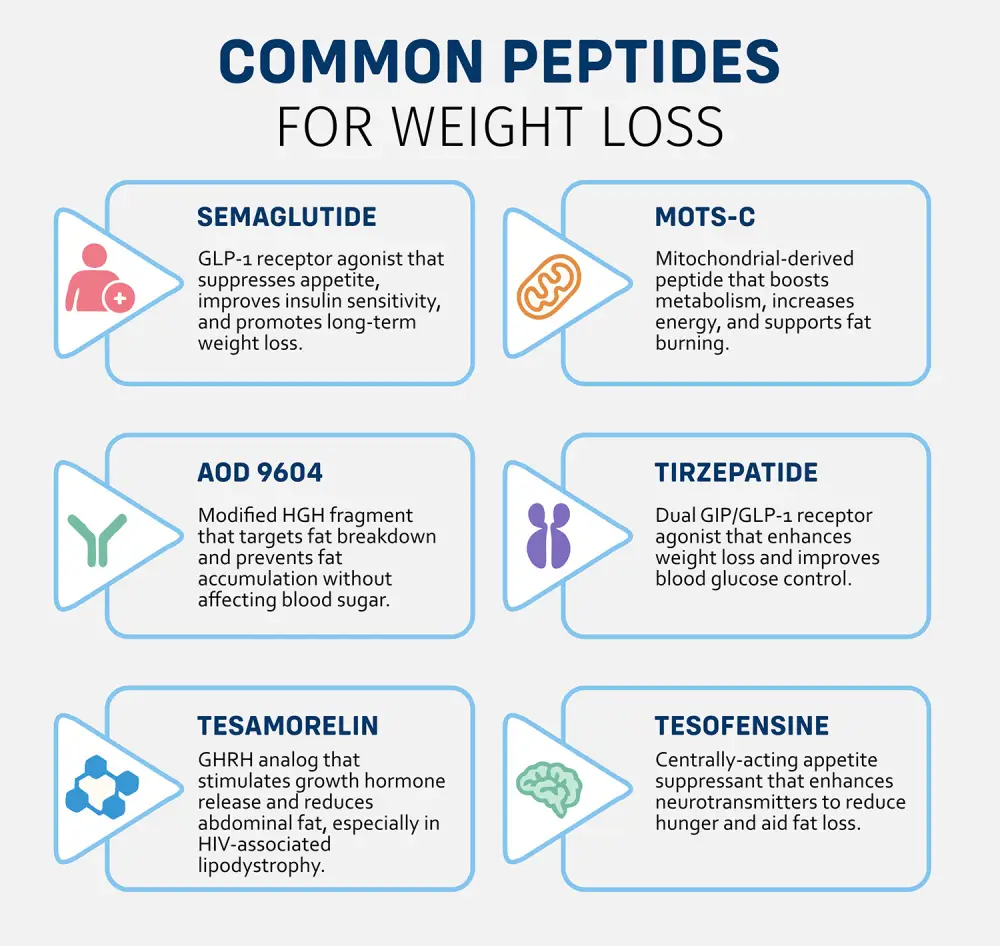
Common GLP-1 Medications and Their Effects The most widely prescribed GLP-1 medications include: Ozempic (semaglutide) Weekly injection for diabetes and weight management Mounjaro (tirzepatide) Dual GLP-1/GIP receptor agonist with enhanced weight loss effects Wegovy (semaglutide) Higher-dose formulation specifically for weight management Rybelsus (oral semaglutide) Daily oral tablet option for convenient dosing Research indicates that approximately 20-30% of weight lost during rapid weight loss phases can come from lean muscle mass rather than fat stores, which has serious implications for long-term health