Insured lives are also typically underwritten and have a different mix of causes of mortality and morbidity than the general population
This makes it particularly beneficial for supporting immune health
10.1016/j.mad.2021.111569
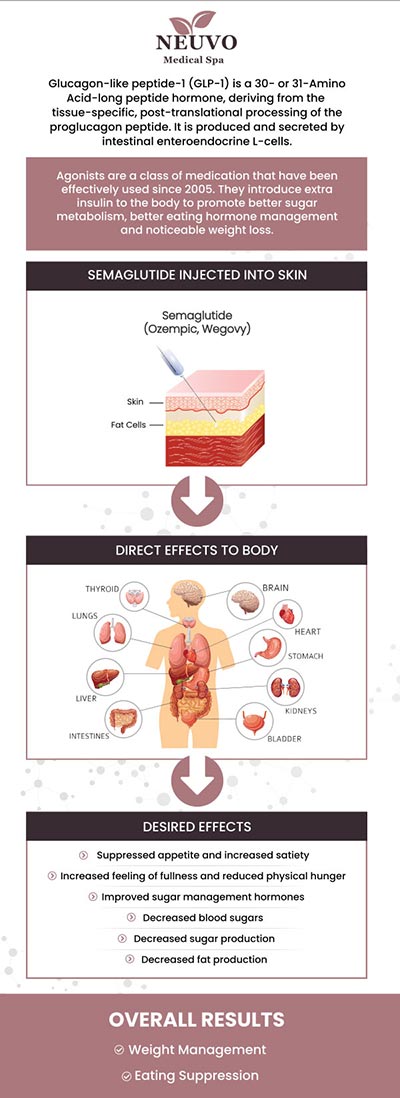
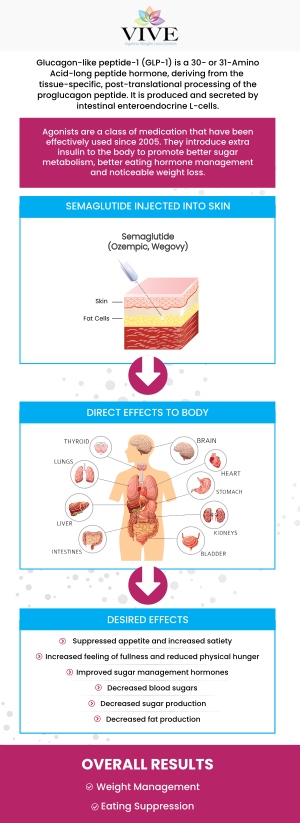
Those who continued the medication maintained or continued to lose weight, while those who stopped regained much of the weight lost, underscoring the need for long-term therapy.23 Longer-term outcomes were assessed in STEP 5, which extended treatment to 104 weeks and demonstrated sustained weight loss of approximately 15%.24 In East Asian populations, STEP 6 showed similar results, with participants achieving an average 12% to 13% weight loss over 68 weeks.25 STEP 7, a 44-week trial including participants from China, Hong Kong, Brazil, and South Korea, found that those on semaglutide lost an average of 12.1% of their body weight compared with 3.6% with placebo.26 Lastly, STEP 8 compared semaglutide with liraglutide and showed greater efficacy with semaglutide (15.8% vs 6.4% weight loss), as well as better tolerability and more convenient weekly dosing.27 Taken together, the STEP trials show that semaglutide consistently results in clinically meaningful weight loss across various populations and treatment conditions

The Precision Peptide Genetic Test examines variants in your GLP1R, GIPR, FTO, and MC4R genes that influence appetite regulation and medication responsiveness
Rickets is very common among children in developing countries and is characterized by soft, weak, deformed bones that are exceptionally susceptible to fracture