Keep them with the documented medication and declare them when needed
Main text By-products of O 2 metabolism, detoxification mechanisms and the role of oxidative stress Mitochondrial oxidative phosphorylation is the final stage of cellular respiration, following glycolysis, pyruvate oxidation and the citric acid cycle

After opening commercial serum Once opened (seal broken): Air exposure begins Bacterial contamination possible Oxidation accelerates Shorter shelf life Track opening date Shelf life after opening: Why packaging matters: Airless pump: Minimal air contact, longest life Dropper: Some air exposure, moderate life Jar: Maximum air exposure, shortest life Finger contamination risk (jar) Best practices after opening: Refrigerate after opening (extends life) Close tightly after each use Don't contaminate (no fingers in product) Use within 6 months ideally Note opening date on bottle Signs commercial serum degraded: Color change (darkening, blue-green tint) Smell change (rancid or off odor) Texture change (separation, clumping) Reduced efficacy (no longer works) Irritation (preservatives depleted, bacteria) When to discard: Past expiration date + 3-6 months opened Any signs of degradation above Unusual smell or color Product separated and won't remix Skin irritation develops Commercial vs DIY serum stability Commercial serum advantages: Professional preservative systems pH buffered correctly Antioxidants included Tested stability (12-24 months unopened) Quality assurance DIY serum challenges: No professional preservatives (or inadequate) pH optimization difficult Limited antioxidant protection Short shelf life (1-2 weeks refrigerated) Bacterial contamination risk Comparison: When DIY acceptable: Make small batches (1-2 weeks supply) Use immediately Refrigerate always Accept short shelf life Understand contamination risk When commercial better: Want convenience Need longer shelf life Travel frequently Don't want frequent preparation Value safety/stability See DIY GHK-Cu serum recipe for home formulation
Gentle enough for all skin types: Most pigmentation serums can irritate or feel heavy on oily skin, but this formula absorbs quickly and is formulated to be low-irritating, making it suitable for daily use across the skin spectrum
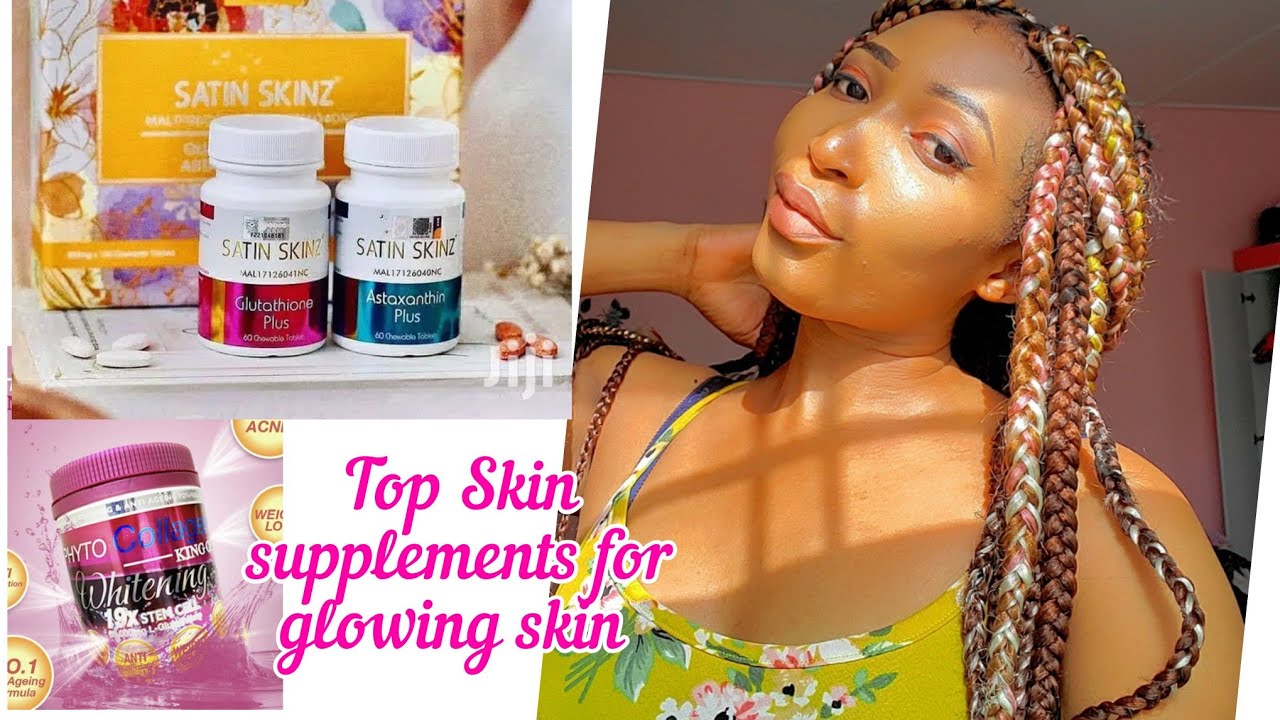
In addition, mushrooms, kale, and onions are among the foods that may increase your levels of glutathione
Studies suggest that certain genetic variations may heighten the risk of depression in high-stress environments, while having little effect in low-stress settings [306]